


Nasal Airway Obstruction: Why You Can't Breathe Through Your Nose
Nasal Obstruction vs. Nasal Congestion
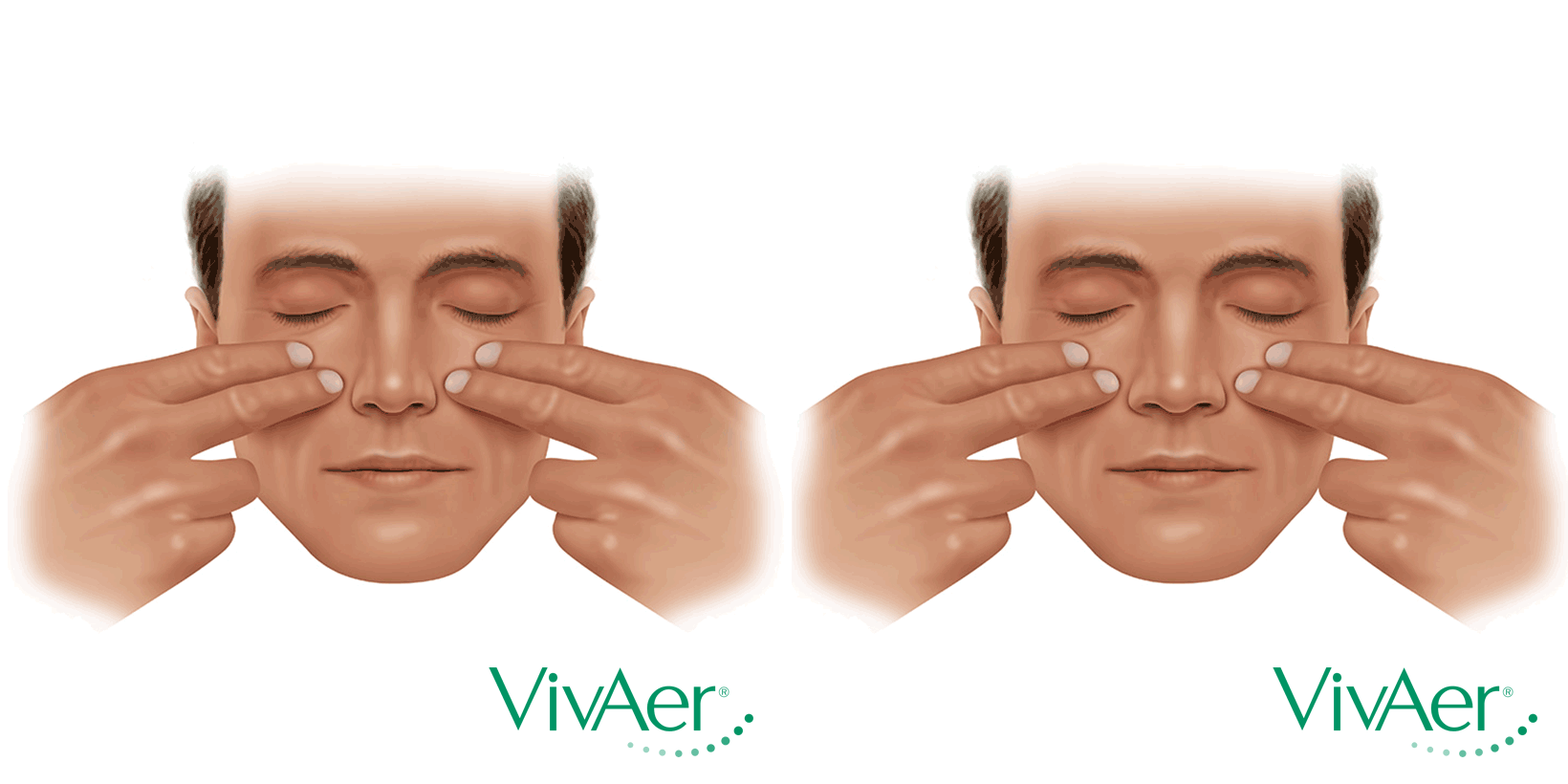
A quick airway check
What Causes Obstructed Nasal Airways?
Nasal valve collapse
The nasal valve is the narrowest part of the nose, and if it is weak, it caves in when you breathe in. This is the most common cause, and it is often missed. VivAer is designed to fix it.
A deviated septum
The wall between your nostrils leans to one side, which makes that side harder to breathe through.
Enlarged turbinates
These small ridges inside the nose can swell and stay swollen, crowding the nasal cavity and reducing airflow.
Nasal polyps
These are soft growths that come from long-term swelling and block the nose.
Allergies and sinus infections
Ongoing allergies or repeated sinus infections keep the nose swollen, and over time that swelling can act like a block.
Nasal Obstruction Symptoms
- A blocked nose that nasal spray doesn't fix
- Mouth breathing at night or during exercise, especially
- Snoring or poor sleep
- Fatigue
- One-sided nasal breathing
A Minimally Invasive Treatment Option

Nasal Obstruction Treatment
When to See an ENT
When to See an ENT
What is the difference between nasal congestion and nasal obstruction?
Nasal congestion is usually temporary, caused by a cold, the flu, or allergies, and it often clears with medication. Nasal airway obstruction is a structural issue that restricts airflow whether or not you are sick. It is chronic and persistent, and it usually needs specialist evaluation and treatment rather than over-the-counter remedies.
Can nasal airway obstruction be treated without surgery?
Yes. In many cases, the Vivaer treatment addresses the structural cause in the office in under 15 minutes, with no incisions, no tissue removal, and a same-day return to activity. Many patients notice a difference soon after, and full results build over a few weeks. Some other cases may need a different treatment method.
How do I know if my blocked nose is structural or just congestion?
A self-test called the Cottle maneuver can help. Place two fingertips on your cheeks on either side of your nose and pull outward. If your breathing gets easier, nasal valve obstruction may be contributing. An ENT evaluation gives you a definitive answer.
When should I see a doctor for a blocked nose?
See an ENT when nasal blockage has lasted more than a few weeks, has not responded to over-the-counter medication, or is affecting your sleep, energy, or daily quality of life.